Dallas County pool shops are busy, highly seasonal operations that depend on more than chemicals and cleaning equipment to function smoothly. Behind the shelves of chlorine tablets and the hum of water-testing stations sits a network of appliances that quietly support daily operations. Freezers preserve temperature-sensitive products, refrigerators store water samples and beverages, and filters keep indoor air and water systems operating safely. When these appliances fail, the consequences often go unnoticed by customers—but they can disrupt business in costly and unexpected ways.
Refrigeration Failures That Compromise Product Integrity
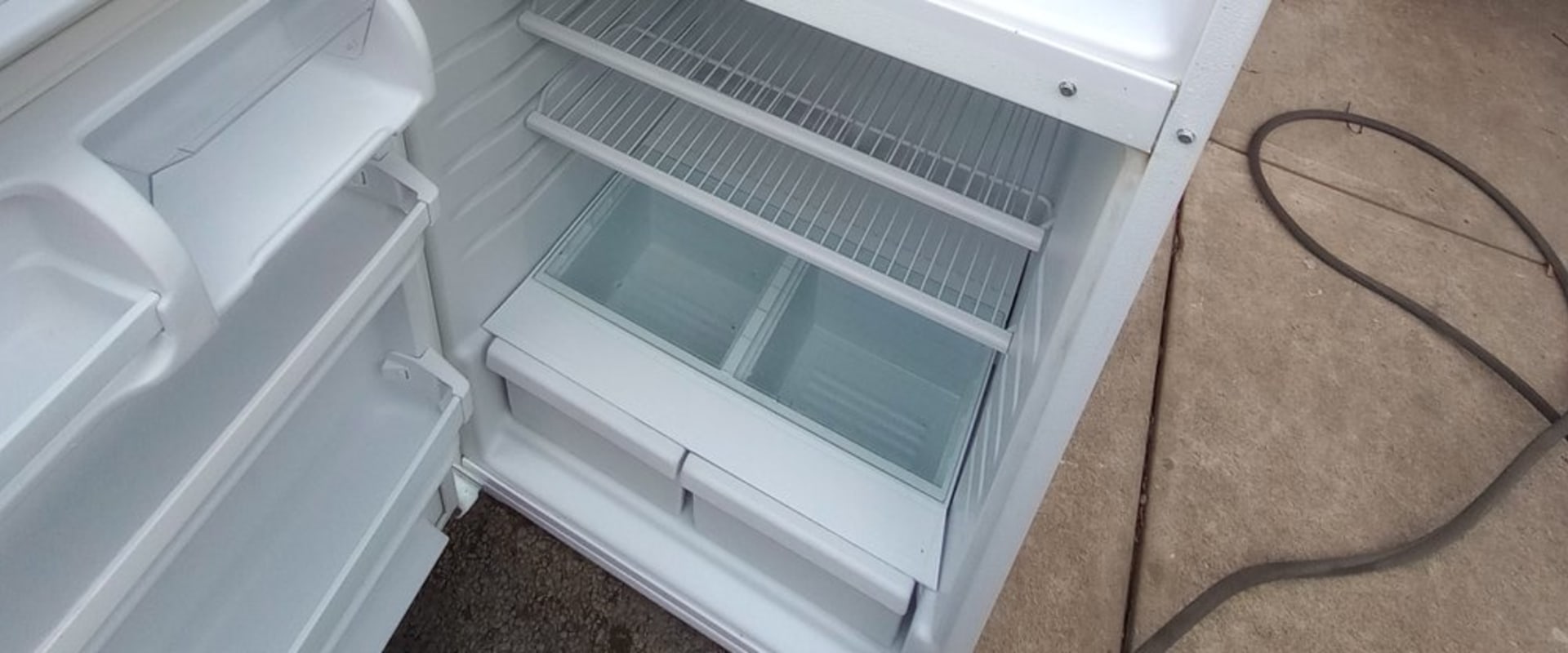
Many pool shops rely on refrigeration to store test reagents, specialty chemicals, and even biological water samples used for diagnostics. When refrigerators drift out of temperature range or fail intermittently, these materials degrade without obvious signs. Employees may continue using compromised products, leading to inaccurate test results and poor treatment recommendations. Unlike grocery spoilage, this type of loss isn’t always visible, making refrigeration failures particularly dangerous to service quality and customer trust.
Freezers Under Seasonal Stress
Freezers in pool shops face unique stress, especially during peak swim season. Extended operating hours, frequent door openings, and high ambient temperatures push compressors to their limits. Freezers may still appear to function while cycling inefficiently or struggling to maintain consistent temperatures. These subtle failures often go unreported until inventory is lost or a unit shuts down entirely. By then, the damage extends beyond spoiled stock to lost time, emergency replacements, and frustrated staff.
The Forgotten Role of Filters
Filters are among the most overlooked components in pool shop operations. HVAC filters clogged with chemical dust reduce airflow, causing systems to overheat and appliances to operate in warmer environments than designed. Water filters used in demonstration systems or refill stations can clog gradually, stressing pumps and refrigeration units tied to those systems. When filters aren’t maintained, the resulting strain often shows up as appliance failure rather than an obvious filtration issue, sending troubleshooting efforts in the wrong direction.
Electrical Load and Equipment Overlap
Pool shops frequently run multiple high-draw appliances at once—freezers, refrigerators, pumps, display lighting, and testing equipment. As electrical loads fluctuate throughout the day, voltage instability can damage sensitive appliance components. Control boards and sensors may fail gradually, producing inconsistent behavior that’s hard to diagnose. In some cases, technicians called for unrelated issues, such as oven repair in Plano, TX, notice broader electrical or airflow problems that explain repeated failures across multiple appliances in the same space.
Why These Failures Go Unnoticed
Unlike front-facing equipment, back-room appliances don’t attract attention until something goes wrong. Staff may assume a fridge is fine because it feels cold, or that a freezer is working because it hasn’t alarmed yet. Filters clog silently, and performance declines incrementally. This slow degradation allows problems to persist for weeks or months, compounding wear and increasing repair costs. By the time intervention happens, multiple systems may be affected.
Operational Consequences Beyond Repairs
When appliance failures finally surface, the impact reaches beyond repair bills. Inaccurate water testing leads to customer dissatisfaction and potential damage to pools. Lost inventory disrupts supply chains during peak season. Staff time is diverted to workarounds, and emergency service calls interrupt daily operations. These cascading effects make overlooked appliance failures far more expensive than proactive maintenance would have been.
Preventive Awareness as a Business Advantage
Pool shops that recognize the interconnected nature of their appliances gain a significant advantage. Regular temperature logging, filter replacement schedules, and load management help catch problems early. Training staff to notice subtle performance changes—not just total failures—reduces downtime and protects service quality. Appliances may not be the focus of the pool business, but they are foundational to its success.
Seeing the Systems Behind the Shelves
Freezers, fridges, and filters don’t sell pool supplies, but they support every sale made. In Dallas County pool shops, these systems work quietly until they don’t—and when they fail, the disruption is anything but quiet. Understanding and addressing these overlooked appliance vulnerabilities helps shops stay reliable, accurate, and ready for the demands of every swim season.